


The Southern Sea Number One is an 800-year old shipwreck that lies under 24 metres of water and 2 metres of sand and soil. In 2002, archeologists took out more than 6000 items from one small room on the ship, and they expect to find 60 000 to 80 000 more.
They wanted to lift it out of the water, but experts advized against it, for fear the boat might break. Instead of letting it all go to waist, the Guangdong provincial government has now allocated £10 million to building a five hall underwater museum to preserve the wreck. Construction work on the museum is well underway and it is expected to open to the public by the middle of next year. How cool is that! You get to see the wreck the way it has been for ages, with added atmosphere. I hope they will put a glass dome around so that you can see the fish swimming past.
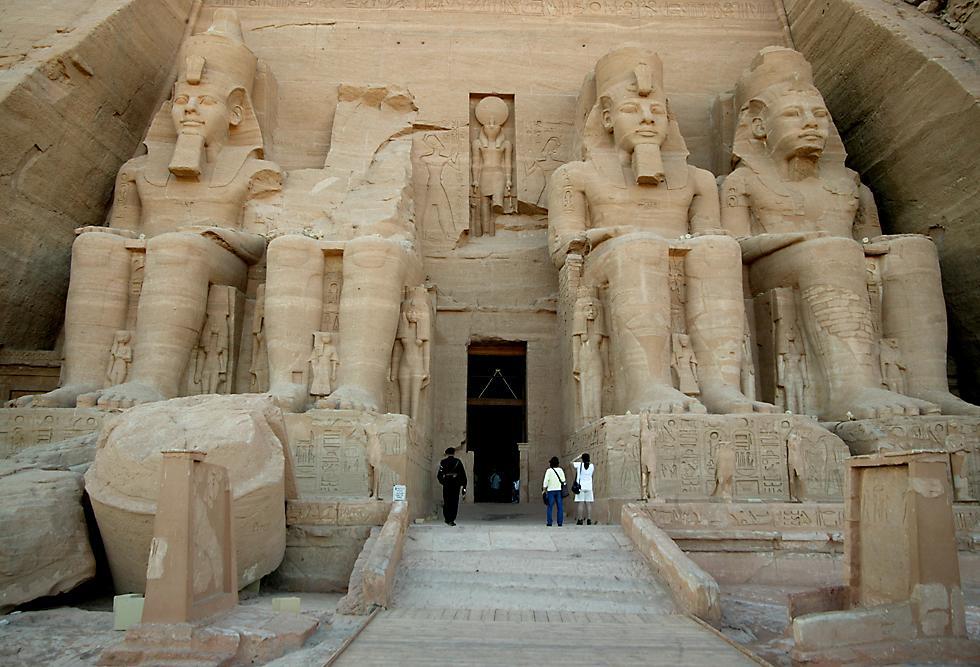 It sometimes amazes me what people can accomplish nowadays. Not even two hundred years ago we were driving carts, now scientists are sending robots to Mars. For centuries thieves were looting King's graves for some quick cash, now we're building museums on the bottom of the sea. Another great feat is the relocation of the Egyptian temples at the Abu Simbel site. They were being threatened by the rise of the Nile, that would follow after the completion of the Aswan High Dam. One of the propositions was to build a museum around the temples and thus leave them underwater. Eventually, the entire site was cut into large blocks, dismantled and reassembled in a new location (65 m higher and 200 m back from the river). It just goes to show that if we put our minds to it, we can accomplish virtually anything. In most cases it's just the willingness to act that is missing.


